Tagda Raho Mural
Illustrated wall mural showcasing Indian stories of strength
About
Industry: Fitness and wellness
Services: Environmental graphics, mural illustration, spatial branding
Focus: Indian physical culture and contemporary Indian design
Services: Environmental graphics, mural illustration, spatial branding
Focus: Indian physical culture and contemporary Indian design
Year: 2025
Status: Completed
Status: Completed
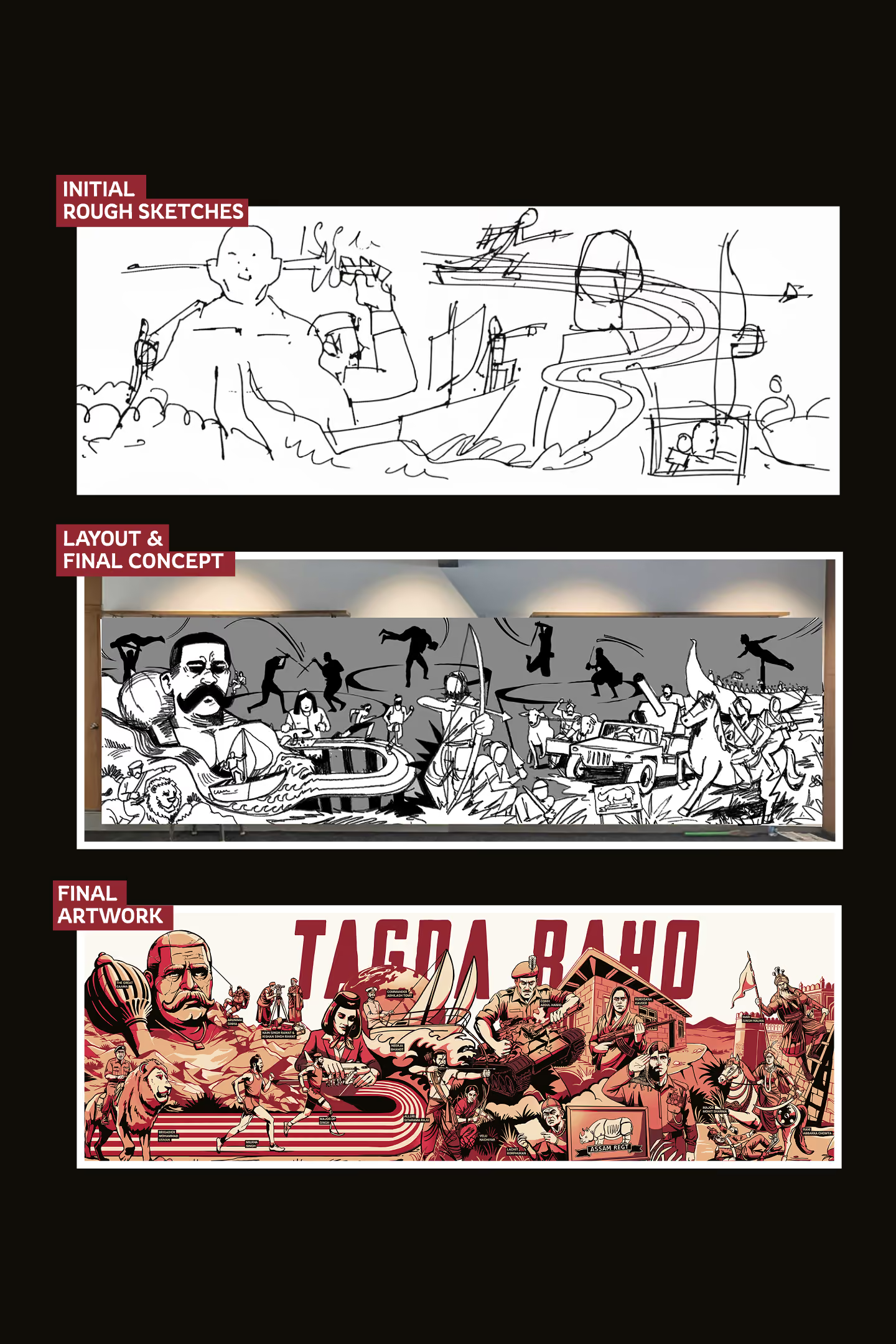
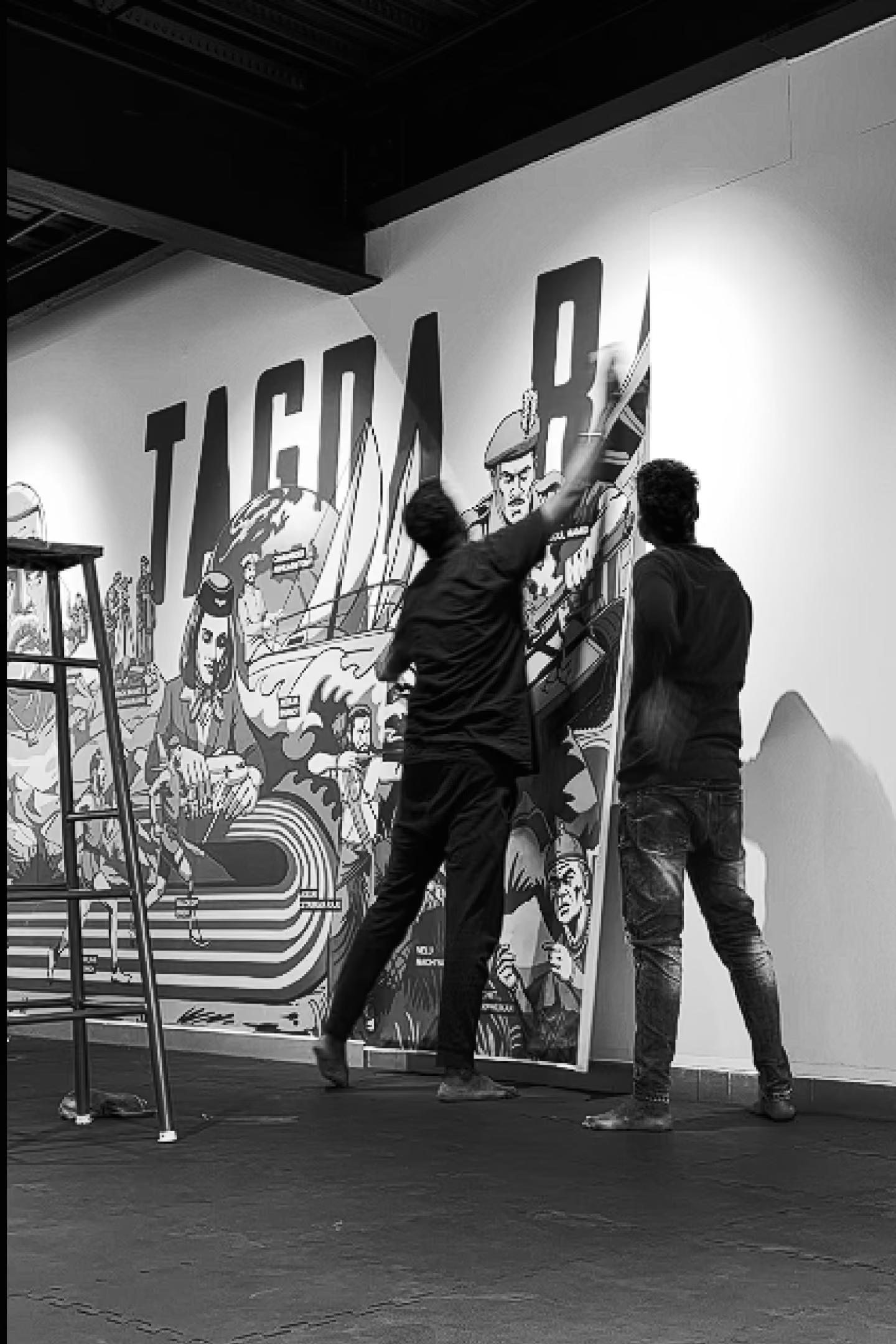
Tasked with creating a mural for Tagda Raho’s flagship gym, Studio Sorted reframed strength through Indian stories of courage and resilience. We connected seventeen defining moments in one continuous composition, bringing the brand’s cultural philosophy into its Bengaluru training space.
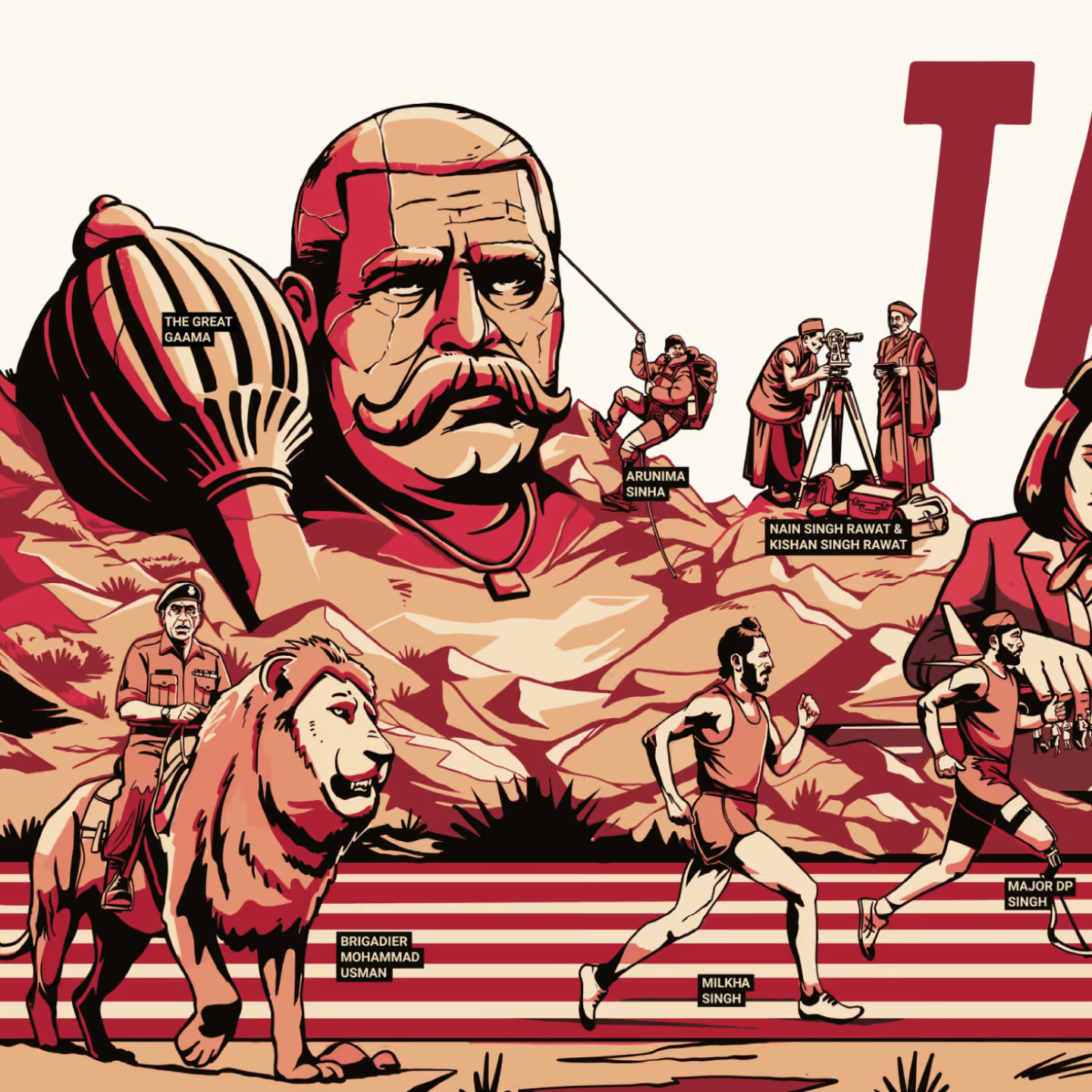

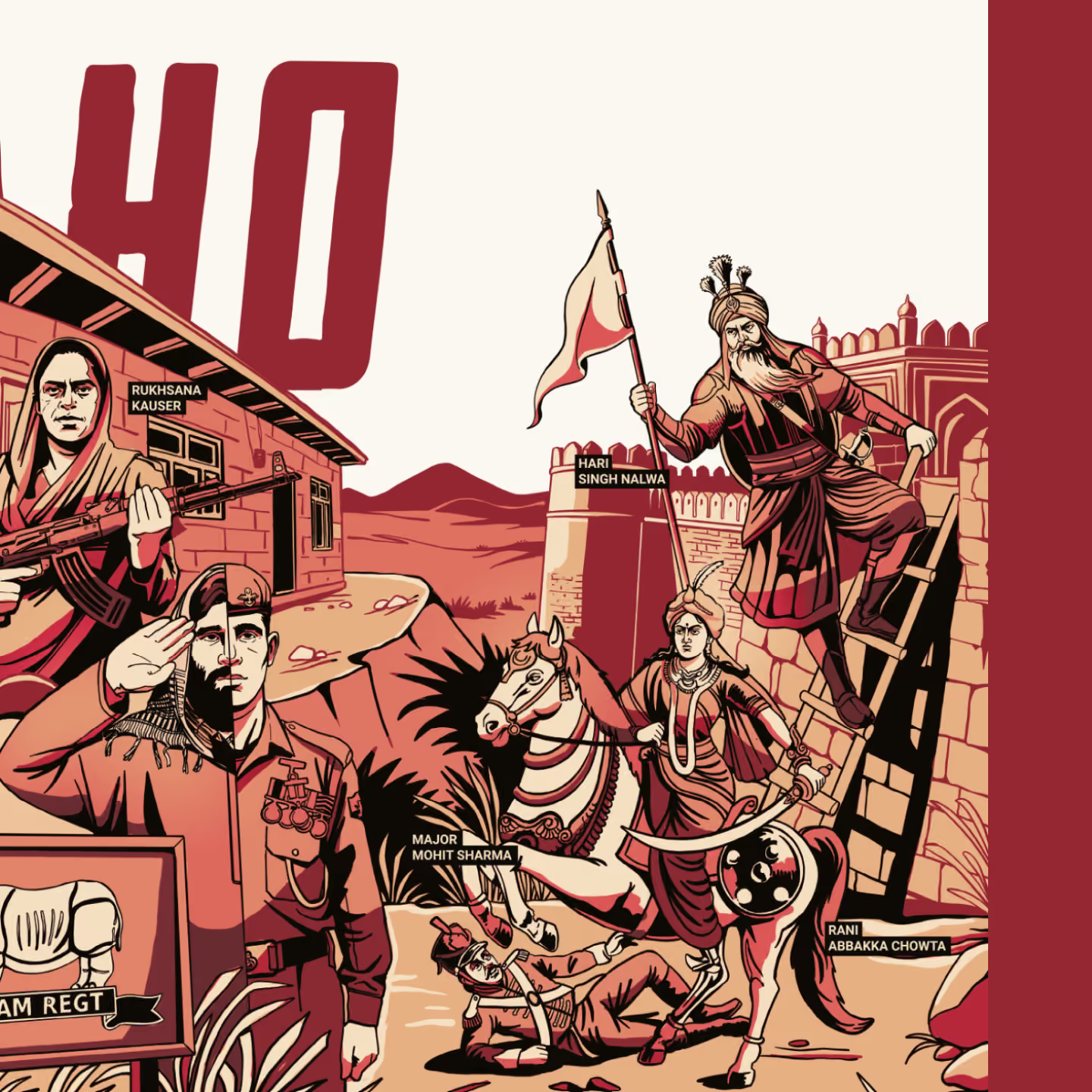
A celebration of strength beyond muscle and might. Stories of courage, resilience and sacrifice, woven together into one mural honouring the many ways India has defined strength.
A mural that makes you look up. And look them up.
A mural that makes you look up. And look them up.
An Indian vocabulary of strength
Walk into many gyms and the visual shorthand for strength is familiar: bodybuilders, sculpted muscles and a small set of international icons. Tagda Raho offered us a different starting point.
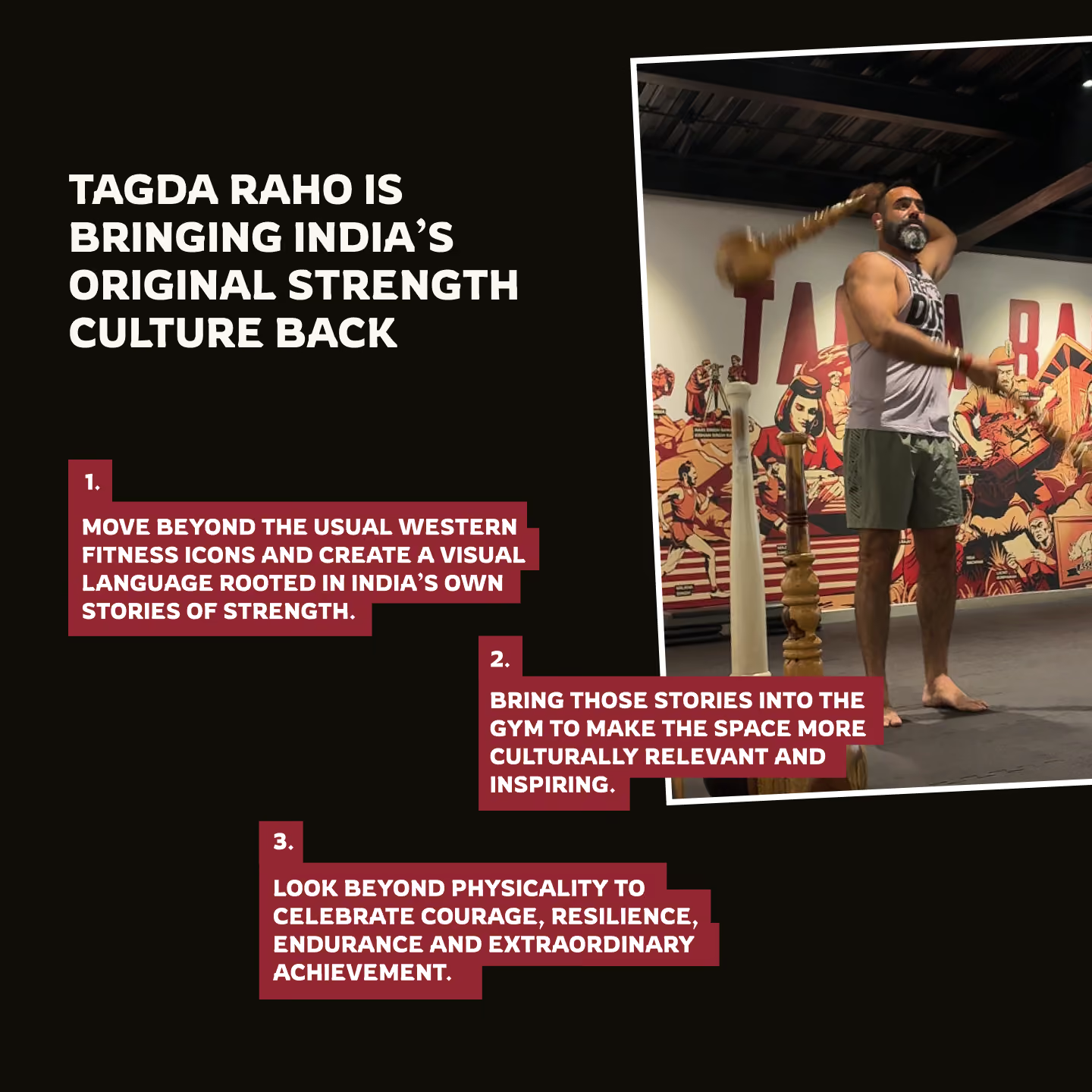
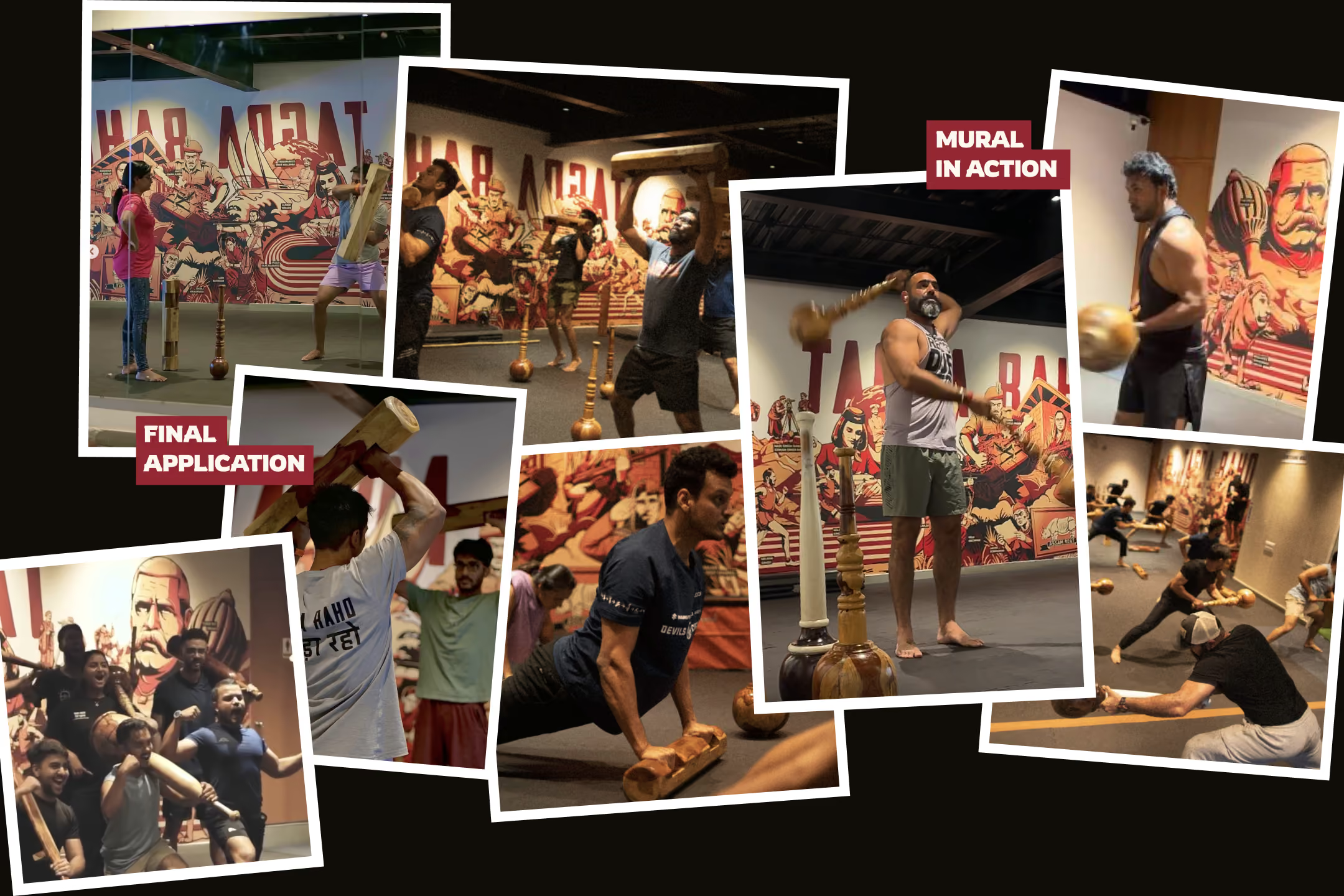
The brand builds training around Indian equipment such as the gada, mudgar and samtola, adapting these traditions for contemporary fitness. The space needed a wall that could express the same idea without turning its cultural roots into a period piece.
So we asked a wider question: who has shown us what strength can mean in India?
The brand builds training around Indian equipment such as the gada, mudgar and samtola, adapting these traditions for contemporary fitness. The space needed a wall that could express the same idea without turning its cultural roots into a period piece.
So we asked a wider question: who has shown us what strength can mean in India?
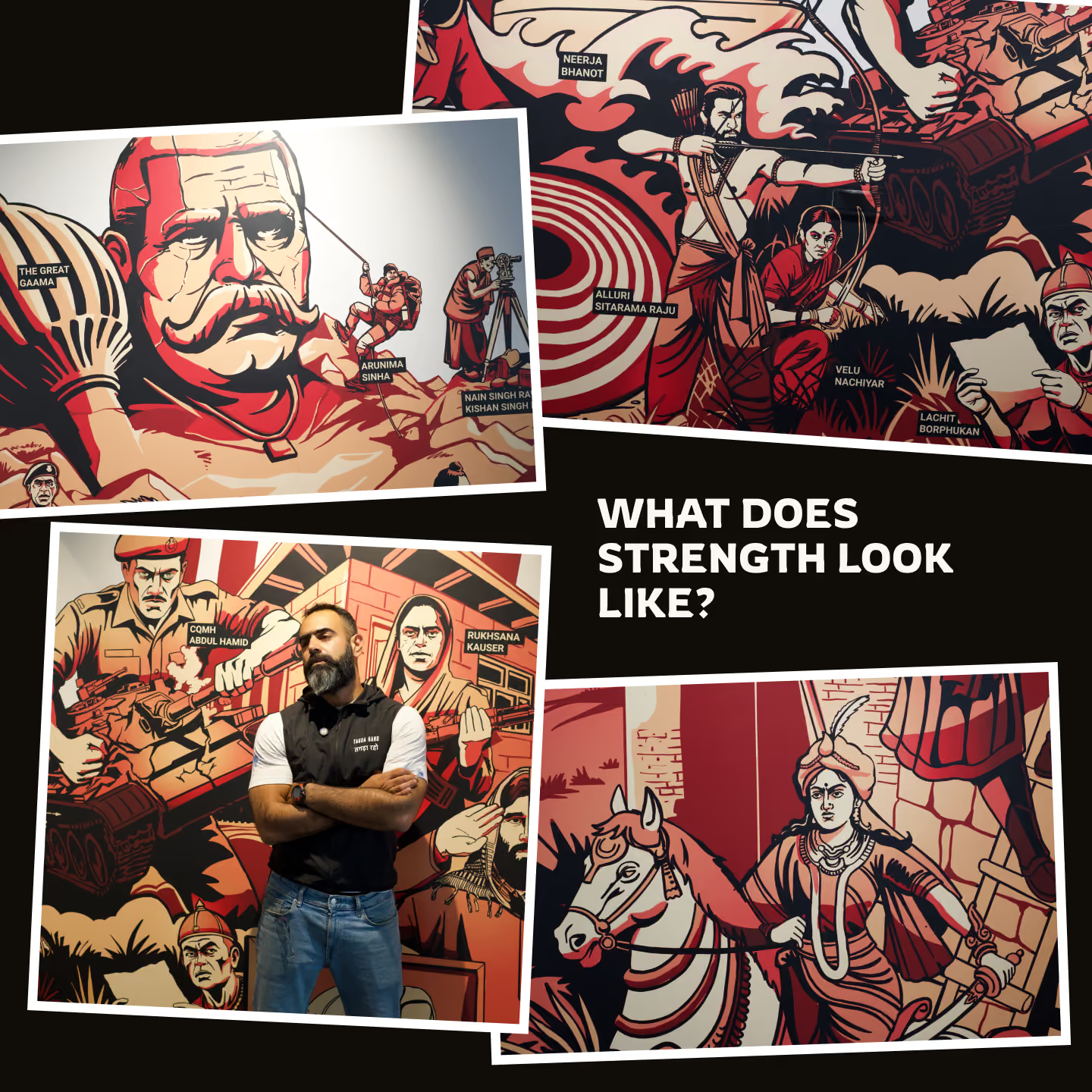
The challenge: make strength more than muscle
A conventional gym mural might celebrate peak physical performance. For Tagda Raho, that would tell only part of the story. Its approach to strength draws on movement, discipline and an Indian physical culture that remains useful today.
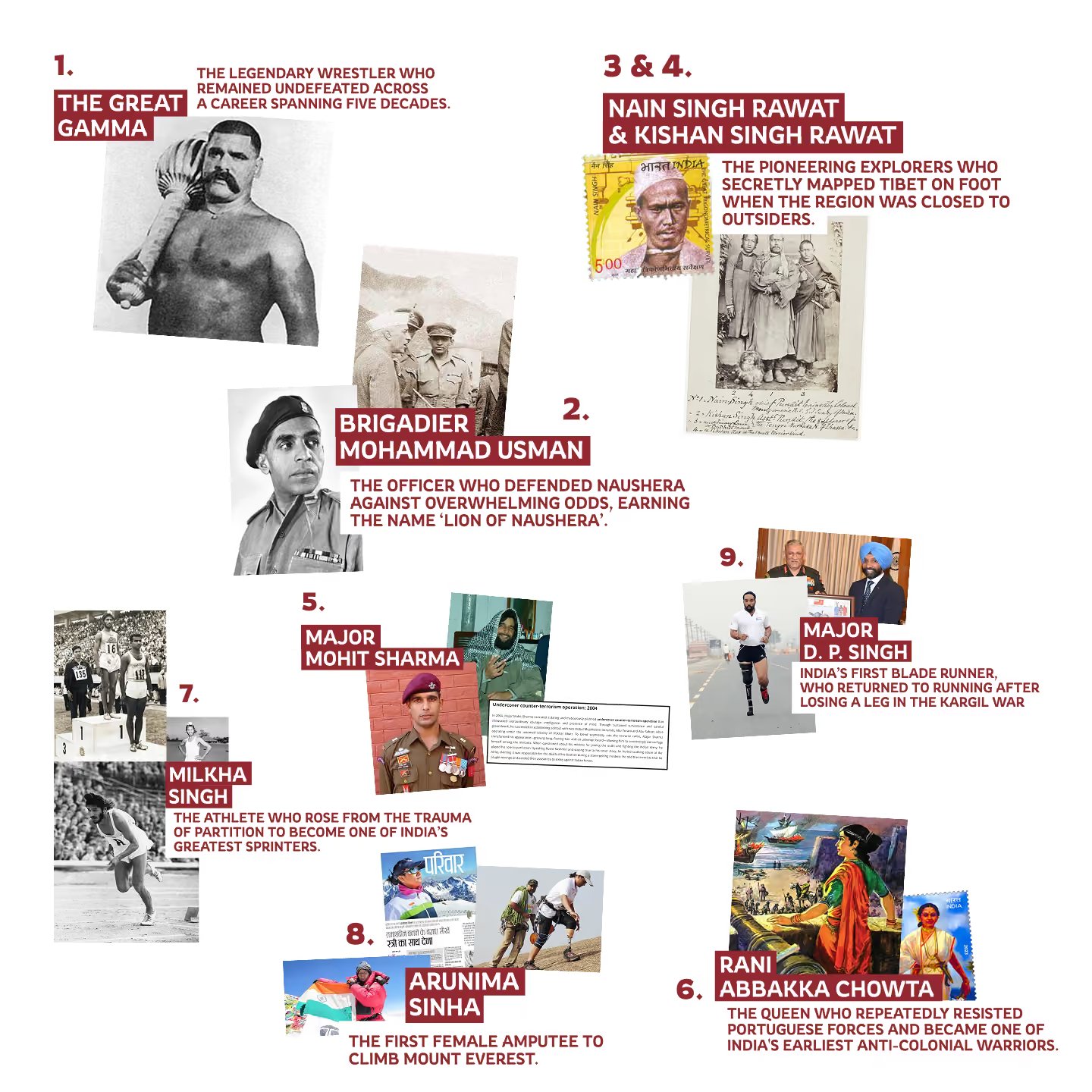
We looked beyond athletes alone, across sport, exploration, resistance, service and survival. The resulting selection of 17 people gave the wall a broader definition of strength: the courage to act, the endurance to continue and the conviction to stand firm.
We looked beyond athletes alone, across sport, exploration, resistance, service and survival. The resulting selection of 17 people gave the wall a broader definition of strength: the courage to act, the endurance to continue and the conviction to stand firm.
The idea: make the moment the portrait
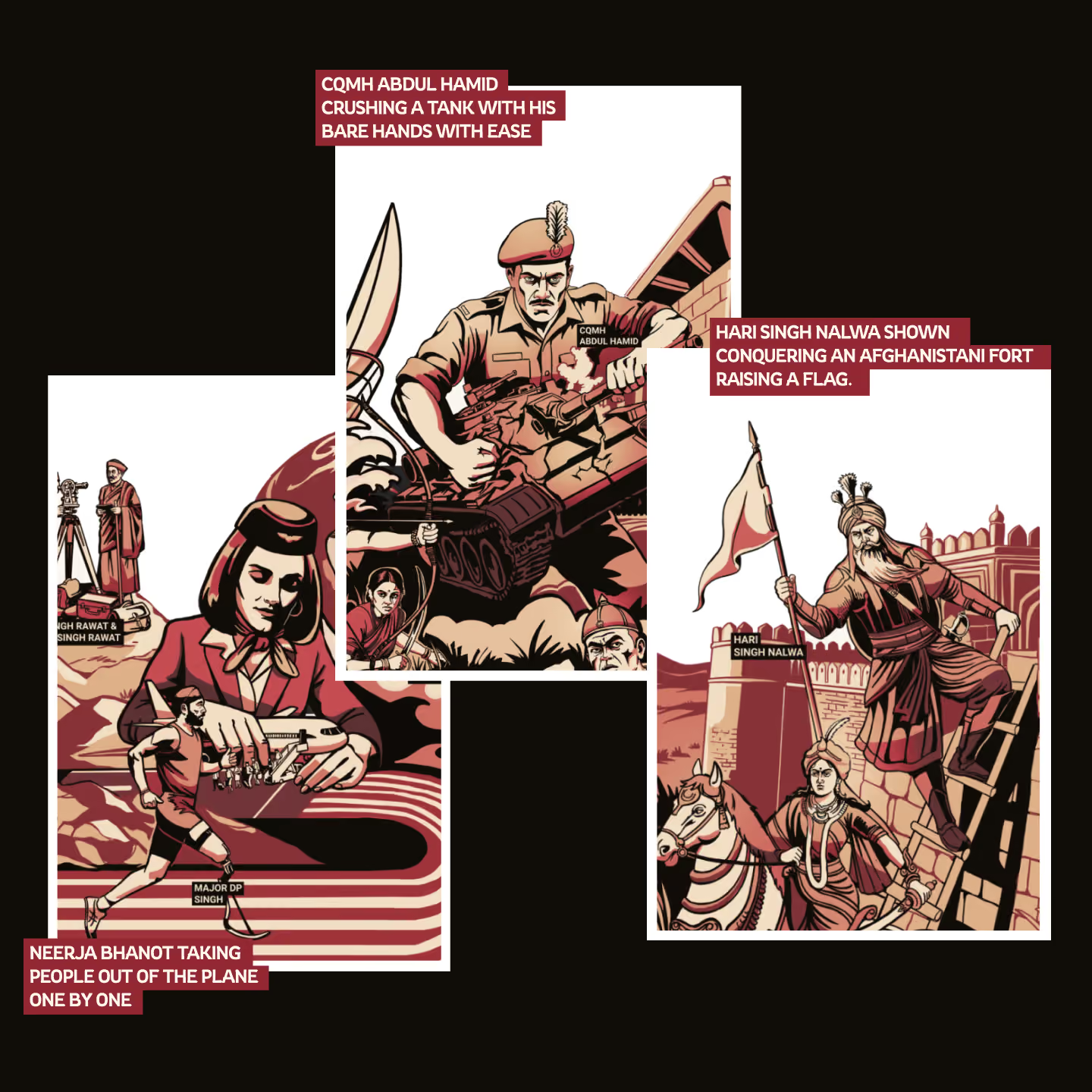
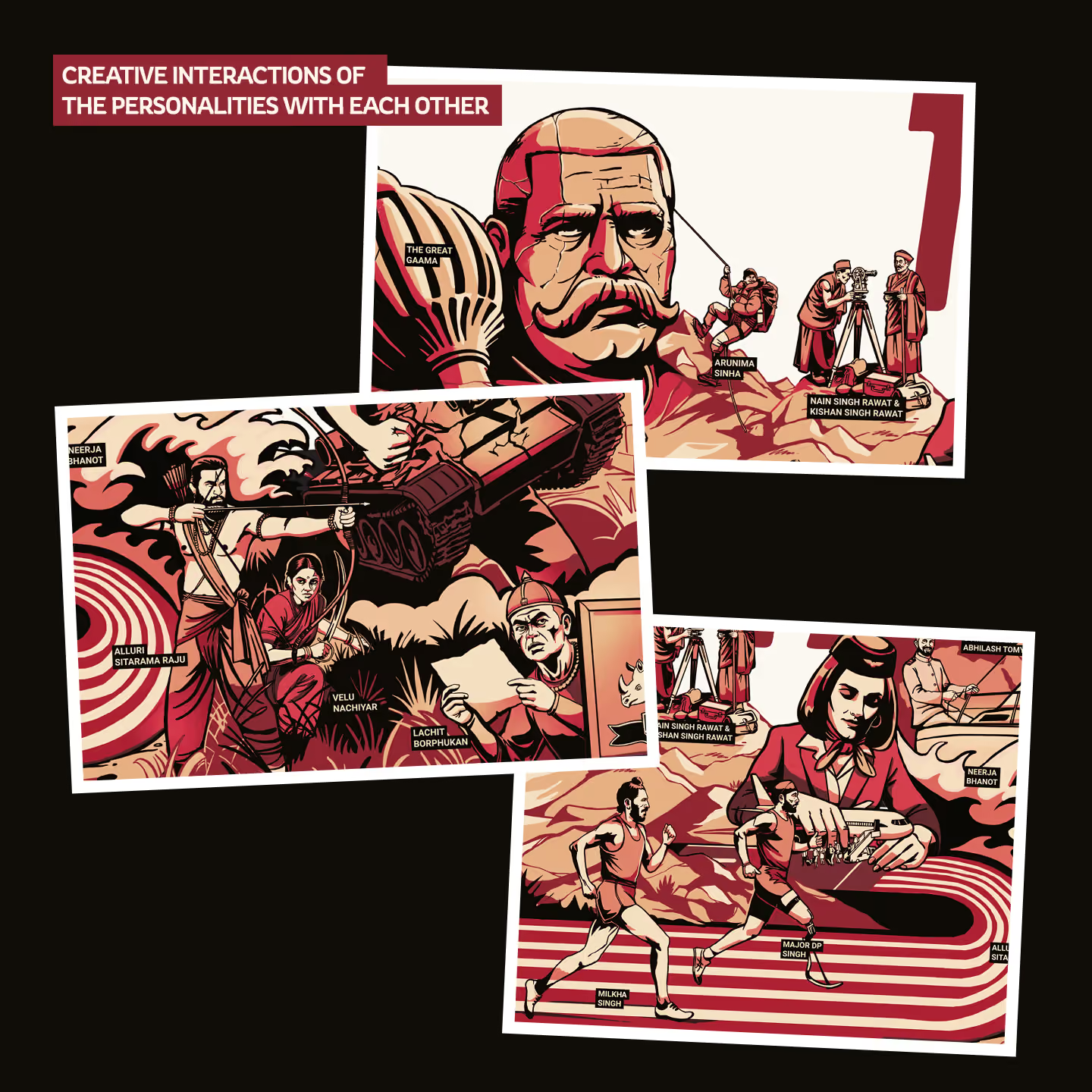
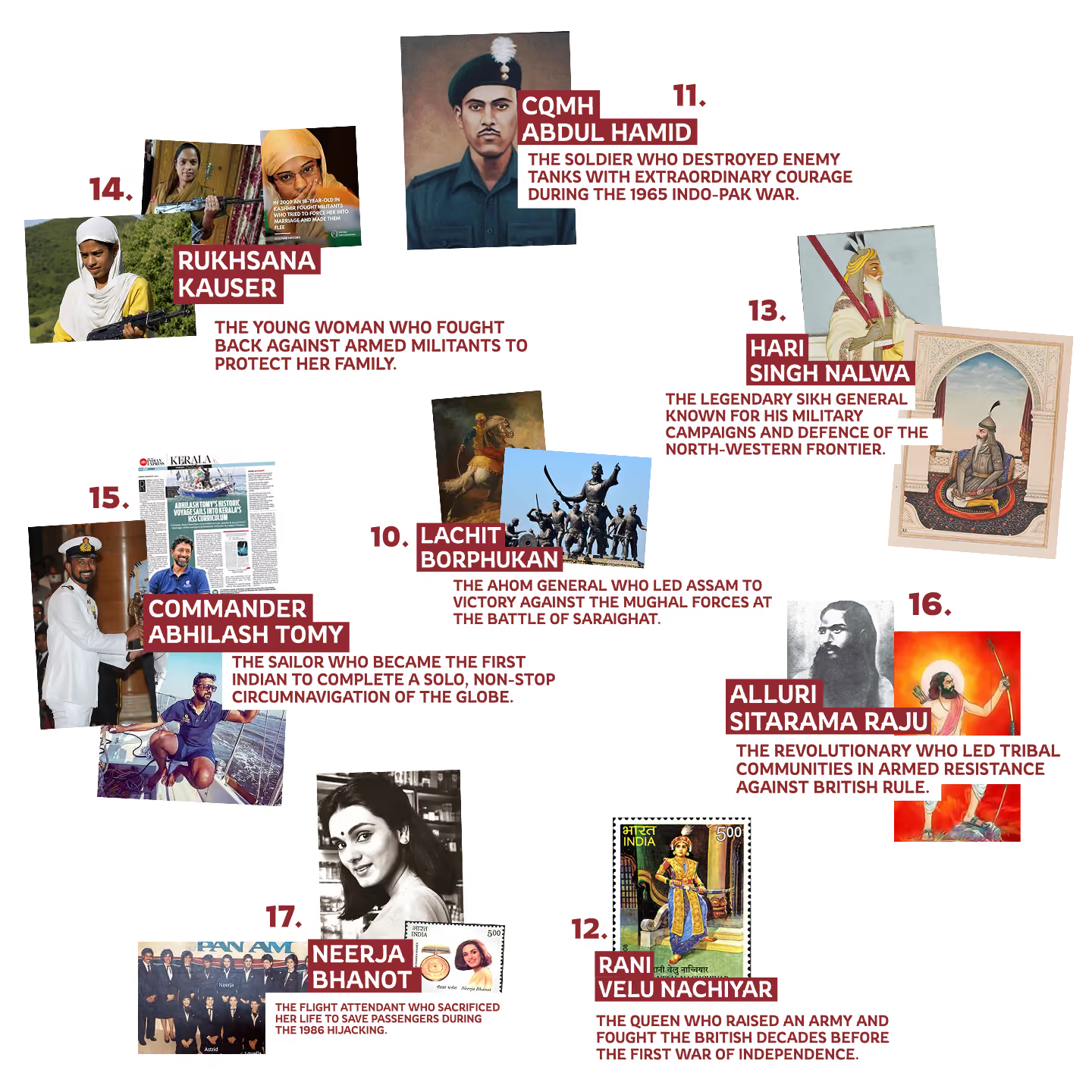
Rather than arrange 17 standalone portraits as a hall of fame, we illustrated each person through an action that expressed their strength. The figures and their defining moments were brought into a single continuous composition, allowing different centuries and contexts to share one visual world.
From across the room, the mural reads as an energetic whole. Up close, it invites people to recognise a story, encounter an unfamiliar name and discover more. A wall that makes you look up, and look them up.
From across the room, the mural reads as an energetic whole. Up close, it invites people to recognise a story, encounter an unfamiliar name and discover more. A wall that makes you look up, and look them up.
Seventeen stories of strength
The mural brings together The Great Gama, Arunima Sinha, Nain Singh Rawat, Kishan Singh Rawat, Brigadier Mohammad Usman, Milkha Singh, Major D. P. Singh, Neerja Bhanot, Commander Abhilash Tomy, Alluri Sitarama Raju, Rani Velu Nachiyar, Lachit Borphukan, Company Quartermaster Havildar Abdul Hamid, Rukhsana Kauser, Major Mohit Sharma, Hari Singh Nalwa and Rani Abbakka Chowta.
Some are known for physical feats; others for what they did when circumstances demanded courage. Together, their stories resist a single image of what a strong person should look like.
Some are known for physical feats; others for what they did when circumstances demanded courage. Together, their stories resist a single image of what a strong person should look like.
A shared idea of contemporary India
Tagda Raho is doing through fitness what this mural attempts through illustration: starting with something rooted in India and making it relevant to life now. Its training system uses traditional tools in contemporary practice; our wall brings Indian histories into one present-tense scene.
The brand's work has reached professional sporting organisations, including the National Cricket Academy, Lucknow Super Giants and Haryana Steelers. MS Dhoni has also invested in Tagda Raho. These are useful proof points for a company building an Indian approach to fitness with ambitions beyond India.For Studio Sorted, the collaboration reflects a wider design instinct. A contemporary Indian visual language can grow from the country's actual people, practices and objects. The task is to understand them closely, then make work that speaks clearly both here and elsewhere.
The brand's work has reached professional sporting organisations, including the National Cricket Academy, Lucknow Super Giants and Haryana Steelers. MS Dhoni has also invested in Tagda Raho. These are useful proof points for a company building an Indian approach to fitness with ambitions beyond India.For Studio Sorted, the collaboration reflects a wider design instinct. A contemporary Indian visual language can grow from the country's actual people, practices and objects. The task is to understand them closely, then make work that speaks clearly both here and elsewhere.
Studio Sorted created an environmental illustration for Tagda Raho that turns a training space into a place of discovery. Its 17 figures express strength through action, connecting the brand's Indian fitness philosophy to stories people can see, question and carry with them.
Team
Creative Direction: Abhishek Durani
Design & Illustration: Afeef Khan, Anshul Gupta
Design & Illustration: Afeef Khan, Anshul Gupta
FAQs
1. What is the Tagda Raho mural project by Studio Sorted?
Studio Sorted designed an illustrated mural for Tagda Raho's flagship fitness space in HSR Layout, Bangalore. Inspired by India's rich history of strength, courage and resilience, the artwork celebrates Indian heroes through defining moments of their lives. The mural brings cultural storytelling into a contemporary fitness environment, challenging conventional representations of physical strength.
2. What was the creative brief for the Tagda Raho mural?
The brief was to create a mural for Tagda Raho's flagship gym. Studio Sorted took the opportunity to question how strength is typically represented in fitness spaces. Rather than relying on familiar Western fitness imagery, we developed a visual narrative rooted in Indian history, celebrating strength through courage, endurance, sacrifice and extraordinary achievement.
3. Who are the Indian heroes featured in the Tagda Raho mural?
The mural features Indian heroes including Neerja Bhanot, CQMH Abdul Hamid and Hari Singh Nalwa. Rather than creating conventional portraits, Studio Sorted illustrated these personalities in defining moments of courage and strength. Their stories are woven into a continuous composition, with characters and scenes interacting to create one larger narrative.
4. What makes the Tagda Raho mural different from conventional gym wall art?
Most gym murals celebrate physical power through muscular figures, athletes and motivational imagery. The Tagda Raho mural takes a different approach, exploring strength beyond physicality. Through Indian historical figures, storytelling and interconnected illustrations, the artwork encourages visitors to discover the people and stories behind it.
5. How does the mural reflect Tagda Raho's brand philosophy?
Tagda Raho is working to revive traditional Indian strength training and physical culture. The mural extends this philosophy beyond exercise equipment and training methods, connecting the brand to India's broader cultural understanding of strength. It makes the gym a space where physical training and stories of Indian resilience coexist.
6. What was Studio Sorted's approach to the mural's illustration and composition?
Studio Sorted developed a continuous visual narrative rather than a collection of individual portraits. Each personality is illustrated through a defining action, with figures, movements and scenes flowing into one another. These interactions bring different periods and stories together, creating an artwork that rewards closer observation.
7. How can murals and illustrations contribute to spatial branding?
Murals can communicate a brand's identity, values and cultural context within a physical environment. For Tagda Raho, Studio Sorted used illustration as a storytelling tool, turning a gym wall into an expression of the brand's philosophy. The result demonstrates how spatial branding can go beyond decoration to create meaningful connections between a brand, its space and its visitors.
8. Where can visitors see the Tagda Raho mural?
The mural is located at Tagda Raho's flagship gym and dugout in HSR Layout, Bangalore, India. Visitors can experience the artwork in person and discover the Indian heroes and stories represented throughout the composition.
Studio Sorted designed an illustrated mural for Tagda Raho's flagship fitness space in HSR Layout, Bangalore. Inspired by India's rich history of strength, courage and resilience, the artwork celebrates Indian heroes through defining moments of their lives. The mural brings cultural storytelling into a contemporary fitness environment, challenging conventional representations of physical strength.
2. What was the creative brief for the Tagda Raho mural?
The brief was to create a mural for Tagda Raho's flagship gym. Studio Sorted took the opportunity to question how strength is typically represented in fitness spaces. Rather than relying on familiar Western fitness imagery, we developed a visual narrative rooted in Indian history, celebrating strength through courage, endurance, sacrifice and extraordinary achievement.
3. Who are the Indian heroes featured in the Tagda Raho mural?
The mural features Indian heroes including Neerja Bhanot, CQMH Abdul Hamid and Hari Singh Nalwa. Rather than creating conventional portraits, Studio Sorted illustrated these personalities in defining moments of courage and strength. Their stories are woven into a continuous composition, with characters and scenes interacting to create one larger narrative.
4. What makes the Tagda Raho mural different from conventional gym wall art?
Most gym murals celebrate physical power through muscular figures, athletes and motivational imagery. The Tagda Raho mural takes a different approach, exploring strength beyond physicality. Through Indian historical figures, storytelling and interconnected illustrations, the artwork encourages visitors to discover the people and stories behind it.
5. How does the mural reflect Tagda Raho's brand philosophy?
Tagda Raho is working to revive traditional Indian strength training and physical culture. The mural extends this philosophy beyond exercise equipment and training methods, connecting the brand to India's broader cultural understanding of strength. It makes the gym a space where physical training and stories of Indian resilience coexist.
6. What was Studio Sorted's approach to the mural's illustration and composition?
Studio Sorted developed a continuous visual narrative rather than a collection of individual portraits. Each personality is illustrated through a defining action, with figures, movements and scenes flowing into one another. These interactions bring different periods and stories together, creating an artwork that rewards closer observation.
7. How can murals and illustrations contribute to spatial branding?
Murals can communicate a brand's identity, values and cultural context within a physical environment. For Tagda Raho, Studio Sorted used illustration as a storytelling tool, turning a gym wall into an expression of the brand's philosophy. The result demonstrates how spatial branding can go beyond decoration to create meaningful connections between a brand, its space and its visitors.
8. Where can visitors see the Tagda Raho mural?
The mural is located at Tagda Raho's flagship gym and dugout in HSR Layout, Bangalore, India. Visitors can experience the artwork in person and discover the Indian heroes and stories represented throughout the composition.
Check out more of Studio Sorted's work





Branding isn’t decoration. It’s direction.
It’s what helps people choose you, trust you, and come back.
And it only works when it’s thought through.
It’s what helps people choose you, trust you, and come back.
And it only works when it’s thought through.
Let's Connect.

Stay in the loop.
No spam, no smalltalk. Only real interesting updates.


